
Africa has experienced rapid expansion in recent years, but much of this progress has come at the expense of the environment. It is essential that African countries embrace sustainable development strategies that strike a balance between economic growth and environmental protection in order to secure a sustainable future. Zimbabwe, which has made a concerted effort to concentrate on sustainable agriculture, notably in the production of wheat, is one nation paving the way in this area.
Zimbabwe’s emphasis on environmentally sustainable wheat production stems from the nation’s ambition to lessen its reliance on food imports and increase its food security. By adopting sustainable agricultural practices, Zimbabwe is able to produce wheat in a way that minimises harm to the environment, protects its soil and water resources, and benefits local communities.
Africa and sustainable economic development
Africa is a continent with a plethora of potential for sustainable development, but it also faces many obstacles. The continent is endowed with an abundance of natural resources, including arable land, water, and solar and wind energy. However, a large portion of Africa still lacks access to needs like clean water, power, and appropriate sanitization. Africa must make wise investments in sectors like renewable energy, sustainable agriculture, and equitable economic growth if it wants to have a future that is more sustainable.
The African continent has the capacity to lead the world in terms of renewable energy. Africa has the capacity to generate more than 6,000 terawatt-hours (TWh) of renewable energy annually, largely from solar and wind energy sources, according to the International Renewable Energy Agency (IRENA). Despite this potential, over 600 million individuals throughout the continent lack access to power, and much of the region still lacks reliable and affordable energy. To address this challenge, African governments can invest in renewable energy infrastructure, such as grid-connected solar and wind farms, and also support the development of off-grid solutions, such as solar home systems and mini-grids.
Another area where the continent can make significant progress toward sustainability is in the field of sustainable agriculture. According to the Food and Agriculture Organization (FAO), the African population is expected to exceed 2 billion by 2050, and the continent will need to produce 60% more food to meet the needs of its expanding population. Traditional agricultural practices, on the other hand, can have a negative impact on the environment, including soil degradation, deforestation, and water pollution. To address these challenges, countries across Africa can implement more sustainable agricultural practices such as agroforestry, conservation agriculture, and regenerative agriculture. These practices not only increase crop yields but also improve soil health, conserve water resources, and reduce greenhouse gas emissions.
In order to achieve a more sustainable future, every region must address economic inequality; despite having abundant natural resources, many African countries struggle with poverty and inequality. To address these issues, Africa can concentrate on creating a more inclusive and equitable economy. This includes encouraging entrepreneurship, providing capital and business training, and providing support in the development of small and medium-sized enterprises. The continent must also prioritise the development of its infrastructure, including roads, bridges, and ports, to facilitate trade and improve economic connectivity.
Case study: Zimbabwe
Zimbabwe has made significant strides toward self-sufficiency in wheat production. Historically, the country relied heavily on imports to meet domestic demand, but recent initiatives aimed at increasing domestic production have yielded encouraging results.
The Zimbabwean government, in collaboration with the private sector, has launched several programs aimed at boosting wheat output. One such initiative is the rehabilitation of existing irrigation systems, which has allowed farmers to grow wheat all year round. As a result yields have seen a significant increase and reliance on rain-fed agriculture has reduced.
The dissemination of improved seed kinds to farmers is another factor boosting local wheat output. These seeds are higher-yielding and more resistant to disease, making them ideal for Zimbabwe’s farming conditions. The government has also given farmers technological assistance, which has succeeded in enhancing their farming methods and raising output.
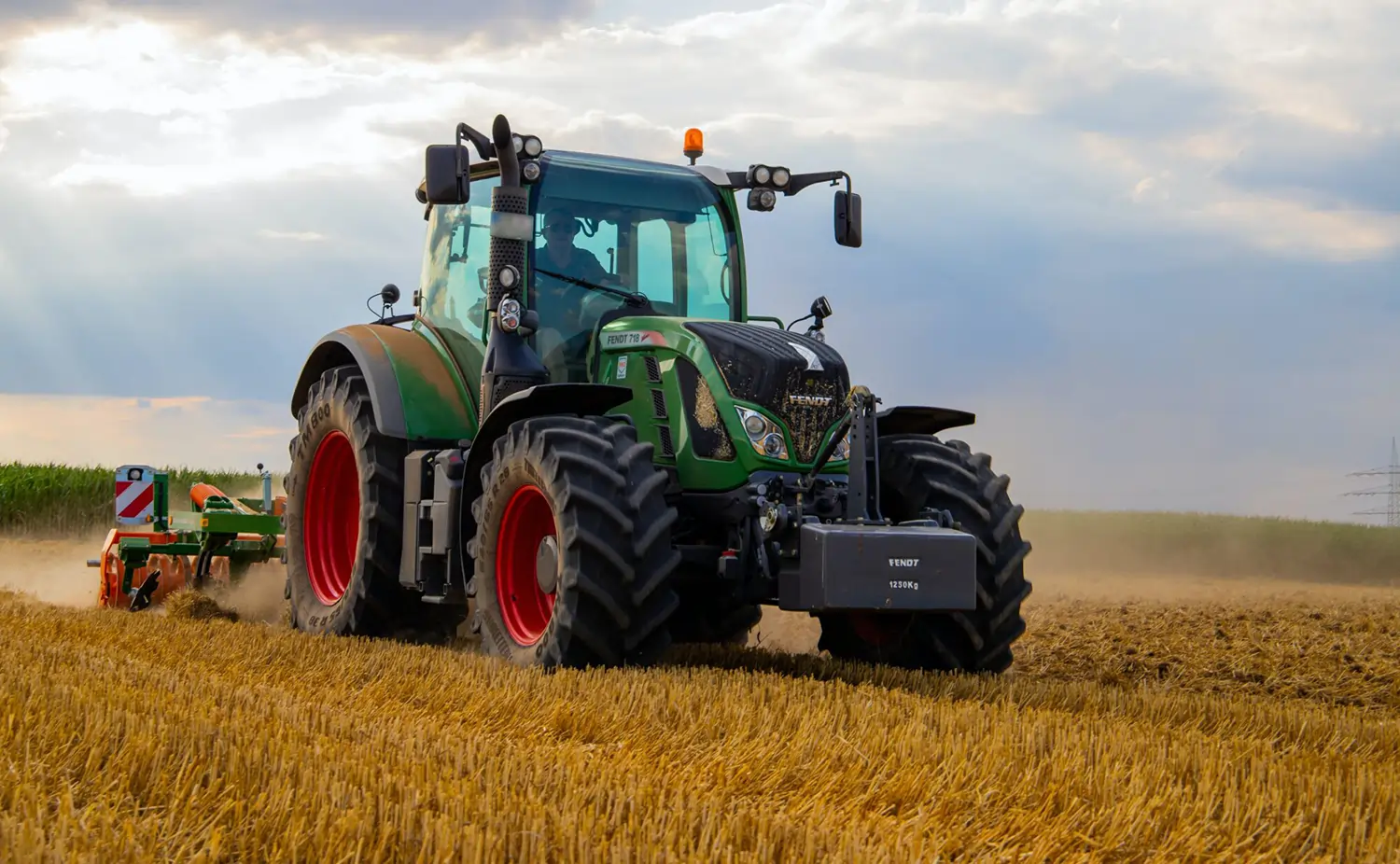
Conservation agriculture is one of the primary strategies employed in Zimbabwe’s sustainable wheat production. This approach involves using cover crops, crop rotation, and minimal tillage to conserve soil and water resources. This not only helps reduce soil erosion, but also increases soil fertility and improves crop yields. Conservation agriculture practices help mitigate the impacts of climate change by sequestering carbon in the soil.
Another critical aspect of Zimbabwe’s sustainable wheat production is the use of more efficient and environmentally friendly irrigation systems. This includes the adoption of drip irrigation systems, which deliver water directly to the roots of the crops, reducing water waste and improving crop yields. Zimbabwe is also investing in rainwater harvesting systems, which allow farmers to store and use rainwater for irrigation, reducing the need for groundwater pumping and preserving this precious resource for future generations.
Zimbabwe is simultaneously taking steps to guarantee that its wheat production is economically viable and accessible to all. This includes providing financial support to farmers, investing in rural infrastructure such as roads and storage facilities, and working to create favourable trade conditions that allow Zimbabwean farmers to sell their products in regional and international markets. By doing so, Zimbabwe is not only promoting sustainable agriculture, but also boosting its economy and improving the lives of its people.
The results of these initiatives have been impressive. Zimbabwe’s wheat production climbed from 35,000 metric tons in 2018 to over 50,000 metric tons in 2020, according to information from the Ministry of Agriculture (MOA). This increase has not only reduced the country’s reliance on imports but also created new opportunities for farmers, who can now sell their surplus wheat to the local market.
The nation’s wheat industry has seen notable quality improvements along with an increase in production. The nation has embraced the use of contemporary milling methods, which has produced flour of higher quality and greater consumer appeal. This has helped increase demand for locally produced wheat and has encouraged more farmers to invest in the crop.
Zimbabwe has succeeded in increasing its wheat production, and the nation is well on the path to achieving self-sufficiency. The government’s initiatives, along with the efforts of private sector players, have helped create a thriving wheat industry that is not only beneficial to farmers but also to the wider economy. With continued support, Zimbabwe is poised to continue its progress towards a more sustainable and secure food supply.
Africa's growth has been impressive, but sustainability is key to its future. Nations must balance economic progress with environmental protection. Zimbabwe is leading by example, focusing on sustainable agriculture, particularly in wheat production, to ensure long-term development. #SustainableDevelopment #Africa #GreenGrowth #Zimbabwe
What is the conclusion?
In conclusion, Zimbabwe’s focus on sustainable wheat production is a shining example of what can be achieved when a nation prioritises sustainability. By balancing economic growth with environmental protection, Zimbabwe is demonstrating that it is possible to build a more sustainable and equitable future. By adopting similar sustainable development tactics, other African nations can follow in Zimbabwe’s footsteps and work towards a future where all people can thrive and prosper.
Africa has the potential to become a leader in sustainable development, but much work remains to be done. By investing in renewable energy, sustainable agriculture, and inclusive economic growth, Africa can create a more egalitarian and sustainable future for all of its people.